
Introduction
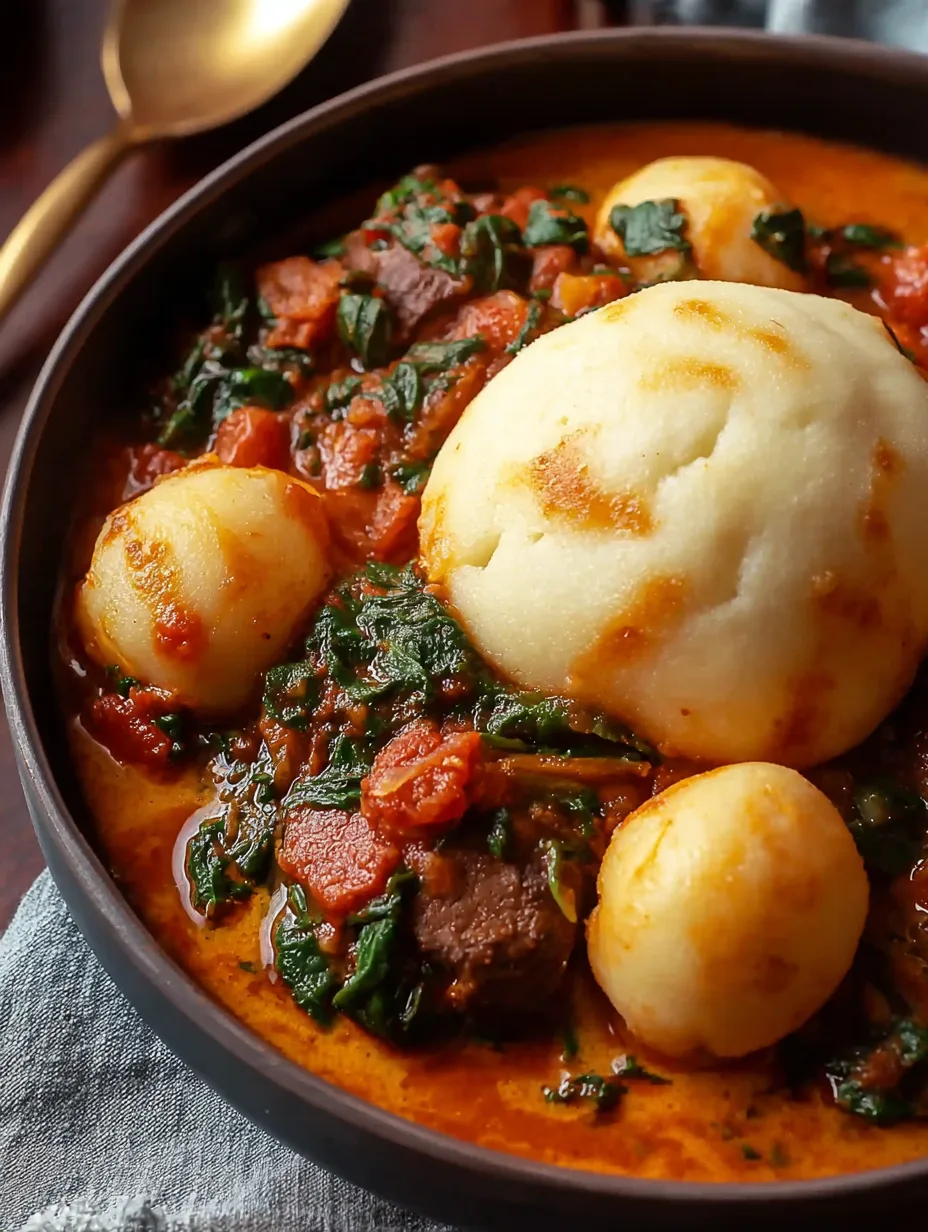
Experience the soft, pillowy texture and subtle earthiness of Master West African Fufu, a staple that has graced dinner tables for generations. This iconic dish, with its smooth, elastic consistency, pairs beautifully with rich soups and stews, making every meal a celebration of West African culinary heritage. Whether served with peanut soup, egusi stew, or light vegetable broths, fufu offers a comforting, hearty base that complements bold flavors perfectly. You’ll learn how to achieve the perfect texture, the ideal pairing suggestions, and essential tips to make Master West African Fufu effortlessly at home.
Why You’ll Love This Recipe
Master West African Fufu is beloved for its versatility and the comforting sensation it brings to every meal. The moment you touch its silky surface, you’ll notice the ideal elasticity that allows it to be molded by hand into small portions for dipping. Unlike other starchy sides, fufu has a unique, subtle flavor that enhances the taste of accompanying stews without overpowering them. This recipe is surprisingly simple, making it accessible for both beginners and seasoned cooks. The texture contrast between the soft fufu and thick, flavorful soups is irresistible. You’ll also appreciate the minimal ingredients needed and the traditional method that ensures every bite embodies authenticity and warmth.
Ingredients
-
2 cups cassava flour (or yam flour for a slightly firmer texture)
-
4 cups water, divided
-
Pinch of salt (optional, for taste balance)
-
1 tbsp vegetable oil or melted palm oil (optional, for extra smoothness)
Cassava flour is the traditional choice for authentic fufu, providing a light, elastic texture, while yam flour offers a slightly more rustic feel. Water must be hot but not boiling for optimal consistency, and a touch of oil can enhance smoothness, especially if preparing in large batches. Salt is optional but can round out the flavor subtly.
Pro Tips
-
Use the Right Temperature Water: Hot water (not boiling) ensures that the flour cooks evenly without lumps. Slowly incorporate the flour while stirring constantly.
-
Consistent Stirring: Stirring continuously while cooking prevents clumping and develops the signature smooth, elastic texture of fufu. A wooden spatula or sturdy spoon works best.
-
Adjust Firmness Gradually: Fufu can be soft or slightly firm depending on preference. Add water incrementally and knead gently to reach your desired consistency. Avoid overcooking, as this can make the fufu gluey.
Instructions
Step 1: Prepare Your Ingredients
Measure 2 cups of cassava flour and set aside. Bring 3 cups of water to a hot but not boiling temperature. If using oil, have it ready for later incorporation.
Step 2: Mix the Flour and Water
In a medium saucepan, pour the hot water and gradually add the cassava flour, stirring continuously with a wooden spoon. The mixture should begin forming a thick paste. Take your time—constant stirring prevents lumps and ensures smooth texture.
Step 3: Cook the Fufu
Place the saucepan over medium heat. Continue stirring the mixture vigorously for 8–10 minutes. You will notice the fufu starting to pull away from the sides and forming a stretchy consistency. If too thick, add a splash of the reserved water gradually until the desired softness is reached.
Step 4: Knead for Elasticity
Once the mixture comes together, turn off the heat. Use a spatula or your hands (with care, as it will be hot) to knead the fufu in the pan or on a lightly oiled surface. This step develops its signature elasticity and smoothness.
Step 5: Shape and Serve
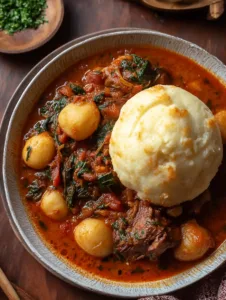
Divide the fufu into small portions. Roll each piece into smooth balls using your hands or a spatula. Serve immediately with your favorite West African soups or stews, such as peanut soup, egusi stew, or okra soup. Fufu is traditionally eaten by hand, so enjoy the tactile experience of dipping and scooping.
Variations
-
Yam Fufu: Substitute cassava flour with yam flour for a slightly firmer texture and a mild, nutty flavor.
-
Plantain Fufu: Blend cooked plantains with cassava flour for a sweeter, colorful variation, ideal for pairing with spicy soups.
-
Mixed Flour Fufu: Combine cassava and yam flour in a 1:1 ratio for a balanced texture that is both elastic and slightly chewy.
Storage and Serving
Storage: Fufu is best enjoyed fresh but can be stored in the refrigerator for up to 3 days. Wrap tightly in plastic wrap to prevent drying out. For longer storage, freeze portions in airtight containers for up to 1 month.
Serving Suggestions: Serve with hearty West African stews like peanut soup, egusi, or light vegetable soups. For added authenticity, use your hands to form small portions for dipping. Fufu also pairs beautifully with spicy tomato-based sauces or grilled meats for a modern twist.
FAQs
1. Can I use instant fufu flour?
Yes, instant fufu flour is available and cooks faster. Follow the package instructions, but you may miss some of the traditional texture achieved with raw flour.
2. How do I fix lumpy fufu?
Stir vigorously while cooking, adding a small amount of water gradually. A potato masher or whisk can help break up lumps.
3. Can I make fufu in advance?
Yes, refrigerate or freeze it. Reheat by steaming or microwaving with a splash of water to restore softness.
4. Is fufu gluten-free?
Yes, traditional cassava, yam, and plantain flours are naturally gluten-free, making fufu suitable for gluten-sensitive diets.
5. How do I know when fufu is done?
The fufu is ready when it is smooth, elastic, and pulls away from the pan easily. It should not be sticky or gluey.
Conclusion
This Master West African Fufu is comfort food at its finest — soft, pillowy, and perfect for soaking up flavorful stews. It’s the kind of dish that brings people together, whether at a family dinner or a festive gathering. Once you master the technique, you’ll enjoy a versatile base that elevates any West African meal.
Print
Master West African Fufu
- Total Time: 45 minutes
Description
Discover the secret to perfectly smooth and elastic Master West African Fufu that melts in your mouth. Learn the traditional way to make this comforting staple right at home.
Ingredients
-
2 cups cassava flour or yam flour
-
4 cups water, divided
-
Pinch of salt (optional)
-
1 tbsp vegetable oil or melted palm oil (optional)
Instructions
-
Measure 2 cups of cassava flour and set aside. Heat 3 cups of water until hot but not boiling.
-
Gradually stir cassava flour into hot water, forming a thick paste. Keep stirring to prevent lumps.
-
Cook over medium heat for 8–10 minutes, stirring continuously until elastic and smooth.
-
Knead gently in the pan or on a lightly oiled surface to develop elasticity.
-
Divide into portions and shape into balls. Serve immediately with soups or stews.
- Prep Time: 15 minutes
- Cook Time: 30 minutes
- Category: Dinner
- Cuisine: American