
Introduction
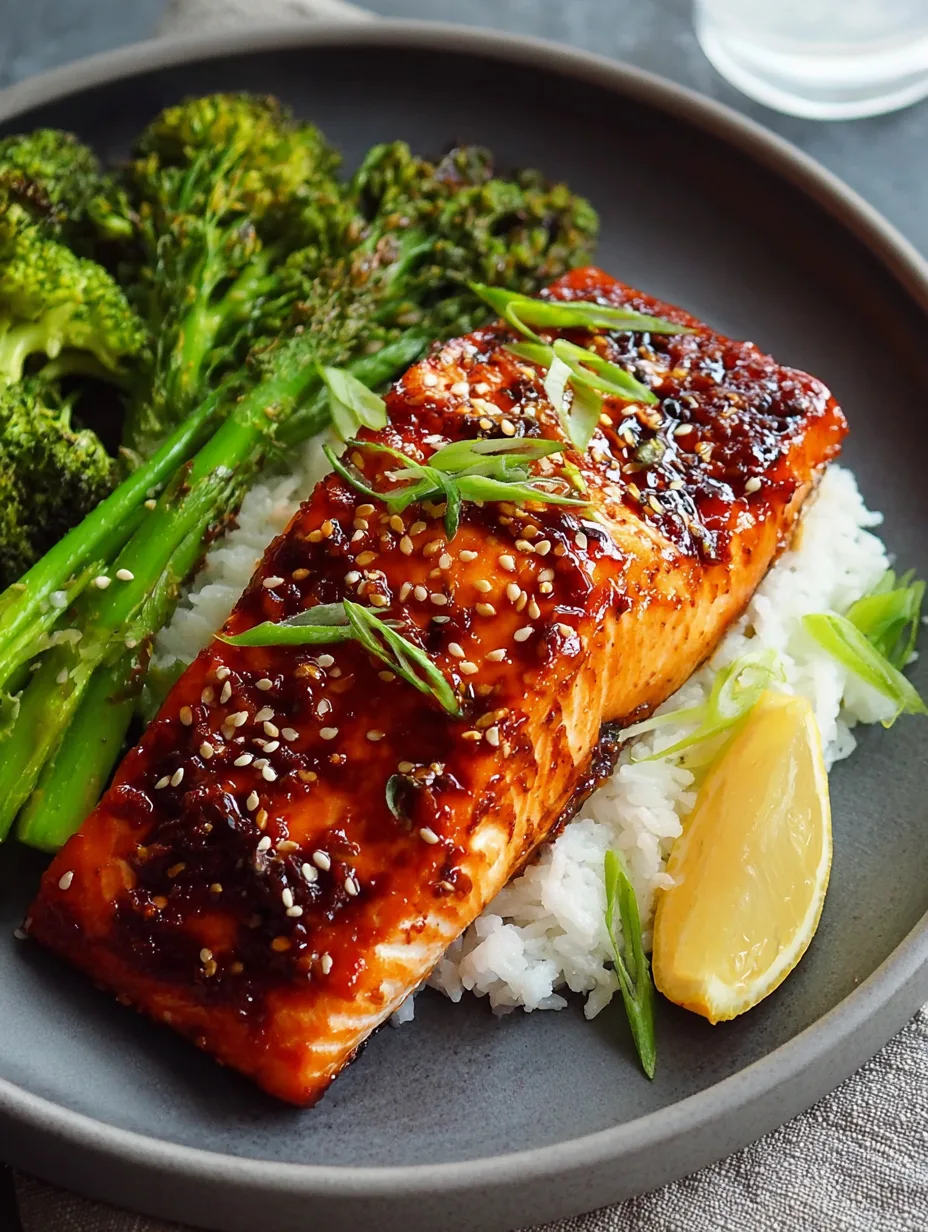
Crispy on the edges, tender and flaky inside, and coated in a glossy, sweet-spicy glaze, Gochujang Salmon delivers bold Korean-inspired flavor in every bite. The rich umami of gochujang chili paste pairs beautifully with buttery salmon, creating a dish that feels both comforting and exciting. Whether you bake, broil, or pan-sear it, this recipe comes together quickly with minimal prep. If you love vibrant flavors with balanced heat and sweetness, this one belongs in your weekly rotation. You’ll learn how to master the perfect glaze, cook salmon flawlessly, and customize it to your taste.
Why You’ll Love This Recipe
Gochujang Salmon stands out because it balances sweet, savory, spicy, and tangy flavors in one simple glaze. Gochujang brings deep fermented heat, while honey and soy sauce add sweetness and saltiness that caramelize beautifully in the oven. Fresh garlic and ginger brighten every bite.
Texture makes this dish irresistible. The salmon turns tender and flaky inside while the glaze forms a sticky, lightly charred crust on top. That contrast between crisp edges and buttery fish keeps you coming back for another forkful.
This recipe also fits into busy schedules. You can mix the glaze in minutes and cook the salmon in under 15 minutes. It pairs easily with rice bowls, roasted vegetables, or even a fresh salad. If you enjoy dishes like spicy miso salmon or honey soy glazed salmon, this version takes flavor to the next level without adding complexity.
Ingredients
Here’s what you’ll need to make four servings of Gochujang Salmon:
-
4 salmon fillets (6 oz / 170 g each), skin-on or skinless
-
2 tablespoons gochujang (30 g), Korean fermented chili paste
-
1 tablespoon soy sauce (15 ml), low sodium preferred
-
1 tablespoon honey (15 ml) or maple syrup
-
1 teaspoon sesame oil (5 ml), toasted
-
2 cloves garlic, minced
-
1 teaspoon fresh grated ginger (5 g)
-
1 tablespoon rice vinegar (15 ml)
-
1 tablespoon olive oil (15 ml)
-
1 teaspoon sesame seeds (optional garnish)
-
2 green onions, thinly sliced
Choose high-quality salmon with vibrant color and firm texture. Gochujang provides the signature flavor, so select a brand with balanced heat and depth.
Pro Tips
First, pat the salmon completely dry before adding the glaze. Moisture prevents caramelization and weakens that beautiful crust. Dry fillets allow the glaze to cling and caramelize evenly.
Second, don’t overload the fish with sauce. Brush a thin but even layer on top. Too much glaze can burn before the salmon cooks through. You can always brush extra glaze during the final two minutes of cooking.
Third, watch the internal temperature. Salmon cooks quickly and continues cooking after you remove it from heat. Aim for 125°F to 130°F (52°C to 54°C) for medium doneness. The flesh should flake easily but still look slightly translucent in the center.
These three techniques guarantee that your Gochujang Salmon stays juicy, flavorful, and perfectly cooked every time.
Instructions
Step 1: Preheat and Prepare
Preheat your oven to 400°F (200°C). Line a baking sheet with parchment paper or lightly oil it to prevent sticking. Pat the salmon fillets dry with paper towels and place them skin-side down on the sheet.
Step 2: Make the Gochujang Glaze
In a small bowl, whisk together gochujang, soy sauce, honey, sesame oil, minced garlic, grated ginger, and rice vinegar. Stir until smooth and glossy. Taste the glaze and adjust sweetness or heat if needed.
Step 3: Coat the Salmon
Brush the glaze evenly over the top of each fillet. Focus on the surface rather than the sides to prevent burning. Drizzle olive oil lightly around the salmon to help the edges crisp.
Step 4: Bake to Perfection
Bake for 10 to 12 minutes, depending on thickness. During the final 2 minutes, switch to broil to caramelize the glaze. Watch closely to avoid burning. The top should bubble and darken slightly.
Step 5: Rest and Garnish
Remove the salmon from the oven and let it rest for 3 to 5 minutes. Sprinkle sesame seeds and sliced green onions over the top. Serve immediately while the glaze remains glossy and aromatic.
Your kitchen will smell incredible at this point. The sweet heat from the gochujang glaze combined with rich salmon creates a restaurant-quality result with minimal effort.
Variations
You can easily adapt Gochujang Salmon to suit different diets or flavor preferences.
For a low-carb option, serve it over cauliflower rice or alongside roasted zucchini. The glaze remains naturally gluten-free if you use tamari instead of regular soy sauce.
For extra heat, add ½ teaspoon red pepper flakes or a drizzle of sriracha to the glaze. If you prefer a milder version, increase honey slightly and reduce the gochujang by half a tablespoon.
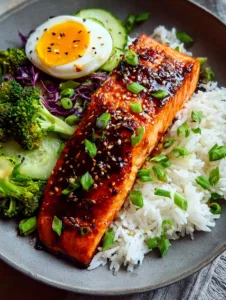
You can also transform this recipe into a gochujang salmon bowl. Flake the cooked salmon over steamed jasmine rice, add cucumber, avocado, shredded carrots, and a drizzle of spicy mayo. Fans of Korean chili salmon or sweet and spicy baked salmon will appreciate these creative twists.
Storage and Serving
Store leftover Gochujang Salmon in an airtight container in the refrigerator for up to 3 days. Reheat gently in a 300°F (150°C) oven for 8 minutes to prevent drying out. Avoid microwaving at high heat, which can overcook the fish.
Serve this salmon with steamed rice and sautéed spinach for a balanced meal. It also pairs beautifully with garlic sesame noodles or roasted broccoli. For entertaining, plate it with pickled vegetables and a crisp cucumber salad.
You can even use leftovers in wraps or grain bowls for lunch the next day. The bold glaze keeps its flavor, making every serving just as satisfying.
FAQs
Can I grill Gochujang Salmon instead of baking it?
Yes. Grill over medium heat for about 4 to 5 minutes per side. Oil the grates well to prevent sticking.
Is gochujang very spicy?
It has moderate heat with sweetness and umami. You can adjust the spice level by changing the quantity.
Can I marinate the salmon?
Yes, but limit marinating to 30 minutes. The salt in the glaze can alter the texture if left too long.
What type of salmon works best?
Atlantic salmon offers rich flavor and fat content, while sockeye provides a firmer texture and deeper color.
How do I know when salmon is done?
The flesh flakes easily with a fork and reaches 125°F to 130°F internally for optimal juiciness.
Conclusion
This Gochujang Salmon is comfort food at its finest — bold, caramelized, and packed with sweet heat and savory depth. It’s the kind of dish that transforms an ordinary weeknight dinner into something exciting and restaurant-worthy.
Print
Gochujang Salmon
- Total Time: 45 minutes
Description
Craving bold flavor in minutes? This Gochujang Salmon is sweet, spicy, and perfectly caramelized for an easy dinner that tastes gourmet.
Ingredients
-
4 salmon fillets (6 oz each)
-
2 tablespoons gochujang
-
1 tablespoon soy sauce
-
1 tablespoon honey
-
1 teaspoon sesame oil
-
2 cloves garlic, minced
-
1 teaspoon grated ginger
-
1 tablespoon rice vinegar
-
1 tablespoon olive oil
-
1 teaspoon sesame seeds
-
2 green onions, sliced
Instructions
-
Preheat oven to 400°F and line a baking sheet with parchment paper.
-
Pat salmon dry and place on the prepared sheet.
-
Whisk gochujang, soy sauce, honey, sesame oil, garlic, ginger, and rice vinegar.
-
Brush glaze evenly over salmon.
-
Bake for 10 to 12 minutes until salmon flakes easily.
-
Broil for 2 minutes to caramelize the top.
-
Garnish with sesame seeds and green onions before serving.
- Prep Time: 15 minutes
- Cook Time: 30 minutes
- Category: Dinner
- Cuisine: American