
Introduction
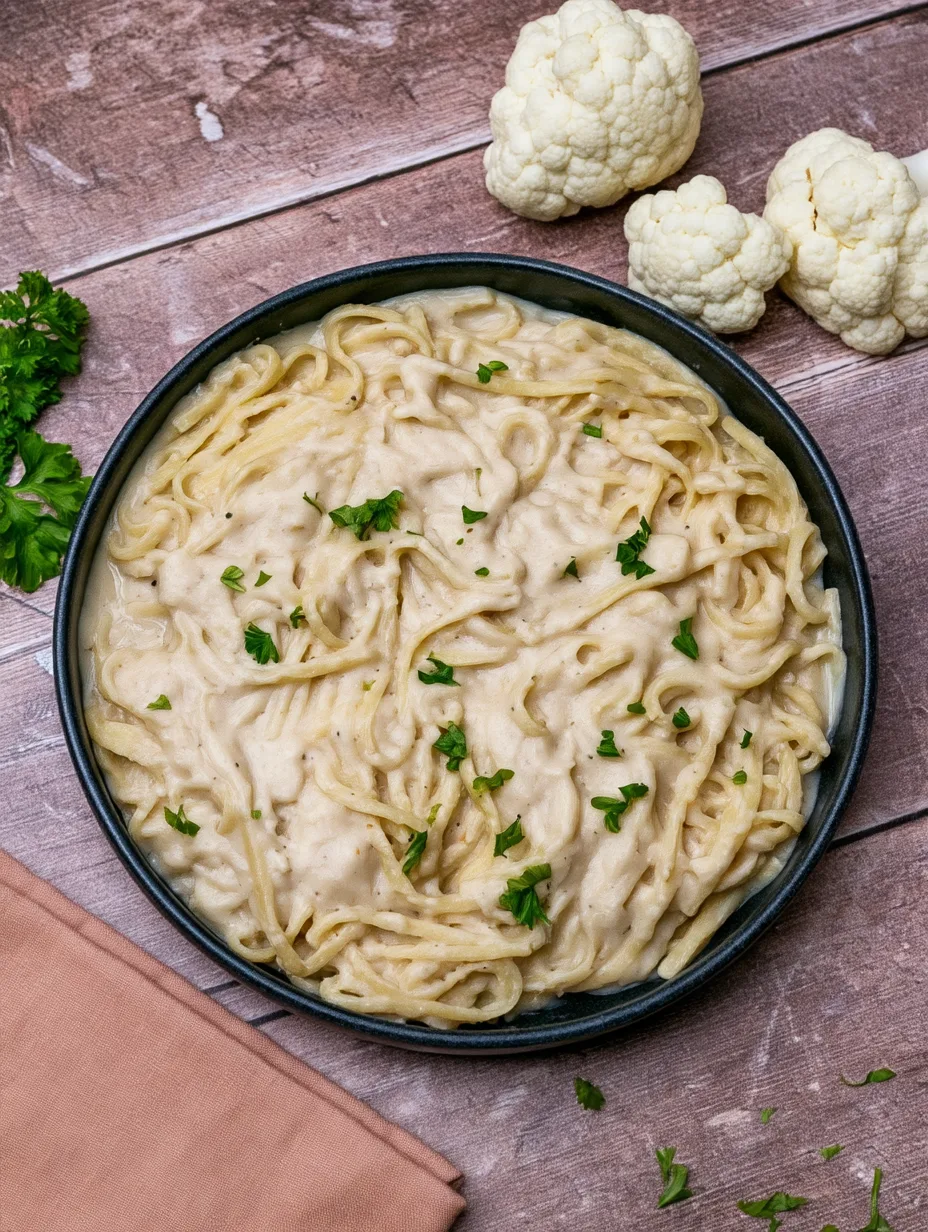
Creamy, silky, and wonderfully garlicky, Cauliflower Alfredo Sauce brings all the comfort of classic Alfredo to your table with a lighter twist. This velvety sauce blends tender cauliflower, aromatic garlic, Parmesan cheese, and a splash of milk into a rich, satisfying topping for your favorite pasta. It delivers a smooth texture and savory flavor without relying on heavy cream, making it a delicious option for busy weeknights or cozy family dinners. You’ll learn how to make this easy sauce, customize its flavor, and serve it beautifully.
Why You’ll Love This Recipe
Cauliflower Alfredo Sauce proves that simple vegetables can create an incredibly comforting meal. Once you blend cooked cauliflower with garlic, milk, and Parmesan, you get a creamy sauce that coats every strand of pasta beautifully.
-
Creamy without heavy cream: Cauliflower creates a naturally thick, smooth consistency, so you can enjoy a comforting sauce without the richness of traditional cream-based Alfredo.
-
Packed with savory flavor: Garlic, Parmesan, and a touch of butter give the sauce a familiar Italian-inspired taste.
-
Easy to prepare: A handful of everyday ingredients and a blender are all you need. You can make the sauce while your pasta cooks.
-
Perfect for customization: Adjust the garlic, cheese, herbs, or milk to suit your preferences.
-
Family-friendly: The mild flavor makes cauliflower an easy addition to meals, especially when you serve the sauce over familiar pasta shapes.
-
Wonderful texture: The sauce feels silky and luxurious against tender pasta, while a sprinkle of Parmesan adds a delicate, savory finish.
Whether you’re planning a quick lunch or a comforting dinner, this recipe makes it easy to bring creamy pasta to the table with less fuss.
Ingredients
This recipe makes approximately 4 servings of sauce, enough to coat about 12 ounces (340 g) of cooked pasta.
-
1 medium head cauliflower (about 1½ lb / 680 g): Cut into florets for quick, even cooking and a naturally creamy base.
-
2 tablespoons (28 g) unsalted butter: Adds richness and helps the garlic release its aroma.
-
4 cloves garlic (about 12 g): Fresh garlic gives the sauce its signature savory flavor.
-
1 cup (240 ml) whole milk: Helps blend the cauliflower into a smooth, pourable sauce. Use more as needed.
-
½ cup (50 g) finely grated Parmesan cheese: Provides a salty, nutty flavor and enhances the creamy texture.
-
½ teaspoon fine salt: Start with this amount, then adjust to taste.
-
¼ teaspoon ground black pepper: Adds gentle warmth and balances the cheese.
-
¼ teaspoon ground nutmeg (optional): Gives the sauce a subtle, traditional Alfredo-style depth.
-
1 tablespoon (15 ml) lemon juice (optional): Brightens the flavor and balances the richness.
-
2 tablespoons chopped fresh parsley (optional): Adds a fresh, colorful finishing touch.
For serving, prepare 12 ounces (340 g) of your favorite pasta separately. Reserve some pasta water to help loosen the sauce if necessary.
Pro Tips
A few simple techniques will help you create a smooth sauce with balanced flavor every time.
1. Cook the cauliflower until completely tender. This is the most important step for achieving a silky consistency. Steam or boil the florets until a fork slides through them easily, usually in 10–15 minutes. Undercooked cauliflower can leave tiny grainy pieces in the finished sauce. Drain it thoroughly, especially if you boil it, because excess water can dilute the flavor.
2. Blend while the ingredients are warm. Warm cauliflower blends more easily with the milk and butter. Use a high-speed blender for the smoothest results, or work in small batches with an immersion blender. If you use a countertop blender, follow its instructions for hot ingredients, avoid overfilling it, and allow steam to escape safely.
3. Add the Parmesan after blending. Blend the cauliflower, milk, garlic, and butter until smooth before stirring in the cheese. Keep the heat low when you add Parmesan, and avoid boiling the sauce afterward. High heat can make the cheese clump or turn grainy. Add reserved pasta water a tablespoon at a time if you need a thinner consistency.
One final tip: taste before adding extra salt. Parmesan already brings plenty of savory, salty flavor, so a small adjustment at the end often makes all the difference.
Step-by-Step Instructions
Follow these simple steps to prepare a creamy sauce with a balanced garlic flavor and a texture that clings beautifully to pasta.
Step 1: Prepare the cauliflower.
Remove the leaves and thick stem from the cauliflower. Cut the head into evenly sized florets, then rinse them under cool running water. Uniform pieces cook at the same rate, which helps you avoid firm centers and overcooked edges.
Bring a large pot of water to a boil, add the florets, and cook for 10–15 minutes until completely tender. Alternatively, steam them for approximately 12–15 minutes. Drain well and let excess moisture escape for a minute or two.
Step 2: Sauté the garlic.
While the cauliflower cooks, melt the butter in a small skillet over medium-low heat. Add the minced garlic and cook for 30–60 seconds, stirring frequently, until fragrant.
Keep the garlic pale rather than brown. Burnt garlic can taste bitter and overpower the delicate cauliflower. If you enjoy a stronger garlic flavor, add another clove, but keep the heat gentle.
Step 3: Blend the sauce base.
Transfer the drained cauliflower to a blender. Add the sautéed garlic and butter, milk, salt, black pepper, and optional nutmeg.
Blend until the mixture becomes completely smooth. Pause to scrape down the sides if necessary. If the sauce looks too thick to blend properly, add another tablespoon or two of milk. The finished base should resemble a thick, pourable cream rather than mashed potatoes.
Step 4: Add the Parmesan.
Pour the blended mixture into a saucepan over low heat. Stir in the grated Parmesan gradually until it melts into the sauce.
Taste and adjust the seasoning. Add the optional lemon juice if you want a brighter finish. If the sauce becomes too thick as it warms, stir in a little milk or reserved pasta water until it reaches your preferred consistency.
Step 5: Cook and prepare the pasta.
Bring a separate pot of salted water to a boil. Cook 12 ounces (340 g) of pasta according to the package directions until al dente. Before draining, reserve about ½ cup (120 ml) of pasta water.
Choose fettuccine for a classic Alfredo-style meal, or use penne, linguine, or rotini. Their shapes offer different textures, but each works well with the smooth sauce.
Step 6: Combine and serve.
Add the drained pasta to the saucepan or a large mixing bowl. Pour over the warm sauce and toss until every piece receives an even coating. Add reserved pasta water a little at a time if the sauce needs loosening.
Finish with chopped parsley, extra Parmesan, and freshly ground black pepper. Serve immediately while the sauce remains warm and silky.
For the best result, avoid letting the finished sauce boil or sit over high heat. Gentle warming preserves its creamy consistency and keeps the cheese smooth.
Variations
One of the best things about Cauliflower Alfredo Sauce is how easily you can adapt it to different tastes and dietary needs.
-
Vegan cauliflower Alfredo: Replace the butter with olive oil or vegan butter, use unsweetened plant-based milk, and substitute the Parmesan with nutritional yeast or a vegan Parmesan alternative. Choose a creamy oat or cashew milk for a rich consistency.
-
Roasted garlic Alfredo: Roast a whole garlic bulb until the cloves become soft, sweet, and golden. Squeeze the roasted cloves into the blender instead of sautéing fresh garlic. This creates a milder, deeper flavor that pairs beautifully with fettuccine.
-
Herb and spinach Alfredo: Blend a handful of fresh baby spinach into the warm sauce, or stir in chopped parsley, basil, or thyme at the end. You can also add sautéed mushrooms or steamed broccoli for extra texture and flavor.
You can make the sauce gluten-free by serving it with gluten-free pasta. The sauce itself contains no flour, so you don’t need a traditional roux to achieve its creamy consistency.
Storage and Serving
Store leftover sauce in an airtight container in the refrigerator for up to 4 days. Let it cool before sealing the container, and refrigerate it promptly. If you’ve already mixed the sauce with pasta, store the leftovers the same way, although the pasta may absorb some moisture as it sits.
For longer storage, freeze the sauce in a freezer-safe container for up to 2 months for best quality. Leave a little room for expansion. Thaw it overnight in the refrigerator before reheating.
To reheat, place the sauce in a saucepan over low heat and stir frequently. Add a splash of milk or vegetable broth to restore its creamy consistency. Avoid boiling, which can affect the texture. You can also microwave individual portions in short intervals, stirring between each one.
For serving, try these delicious combinations:
-
Classic fettuccine Alfredo: Toss the sauce with fettuccine and finish with Parmesan and black pepper.
-
Chicken and broccoli pasta: Add cooked chicken breast and steamed broccoli for a satisfying meal.
-
Roasted vegetable bowls: Spoon the sauce over roasted broccoli, mushrooms, or zucchini with pasta or cooked grains.
A crisp green salad and toasted garlic bread make wonderful accompaniments when you want a complete, comforting dinner.
Frequently Asked Questions
1. Does cauliflower Alfredo sauce taste like cauliflower?
It has a mild vegetable flavor, but garlic, Parmesan, butter, and black pepper give it a familiar Alfredo-style taste. Adjust the seasonings to your liking for an even more savory result.
2. How do I make the sauce extra smooth?
Cook the cauliflower until very tender, drain it well, and blend thoroughly. A high-speed blender generally produces the silkiest texture. Add milk gradually until the sauce reaches your preferred consistency.
3. Can I make this sauce without dairy?
Yes. Use plant-based butter, unsweetened non-dairy milk, and vegan Parmesan or nutritional yeast. Choose an unflavored milk alternative to keep the sauce savory rather than sweet.
4. Can I prepare the sauce ahead of time?
Absolutely. Make it up to 4 days ahead and refrigerate it in an airtight container. Reheat gently on the stovetop with a splash of milk, stirring until smooth. You may need to adjust the seasoning after reheating.
5. Why did my sauce turn watery or grainy?
A watery sauce often results from cauliflower that retains too much cooking water. Drain it thoroughly before blending. A grainy sauce may come from undercooked cauliflower, insufficient blending, or overheated Parmesan. Blend the cauliflower until smooth and add the cheese over low heat.
This Cauliflower Alfredo Sauce is comfort food at its finest, bringing together velvety cauliflower, fragrant garlic, and savory Parmesan in a creamy sauce that feels indulgent without relying on heavy cream. It’s the kind of dish that turns an ordinary bowl of pasta into a cozy, satisfying dinner, whether you’re feeding your family on a busy weeknight or preparing a relaxed weekend meal. With simple ingredients, easy preparation, and plenty of room for customization, this sauce deserves a place in your regular recipe rotation. Make a batch, choose your favorite pasta, and enjoy every creamy bite.
Print
Cauliflower Alfredo Sauce
- Total Time: 45
Description
Discover your new favorite creamy pasta sauce with this easy Cauliflower Alfredo Sauce. It delivers rich, garlicky comfort in every bite, making weeknight dinners feel extra special.
Ingredients
-
1 medium head cauliflower (about 1½ lb. or 680 g), cut into florets
-
2 tablespoons unsalted butter (28 g)
-
4 cloves garlic (about 12 g), minced
-
1 cup whole milk (240 ml), plus extra as needed
-
½ cup finely grated Parmesan cheese (50 g)
-
½ teaspoon fine salt
-
¼ teaspoon ground black pepper
-
¼ teaspoon ground nutmeg (optional)
-
1 tablespoon lemon juice (15 ml, optional)
-
2 tablespoons chopped fresh parsley (optional)
-
12 oz. pasta of choice (340 g), for serving
-
Reserved pasta water, as needed
Instructions
-
Cut the cauliflower into evenly sized florets. Boil or steam for 10–15 minutes until completely tender, then drain thoroughly.
-
Melt the butter in a small skillet over medium-low heat. Add the minced garlic and sauté for 30–60 seconds until fragrant, taking care not to brown it.
-
Transfer the cooked cauliflower to a blender. Add the garlic butter, milk, salt, pepper, and optional nutmeg.
-
Blend until completely smooth, adding extra milk a tablespoon at a time if needed.
-
Pour the blended sauce into a saucepan over low heat. Stir in the Parmesan until melted, then add the optional lemon juice and adjust the seasoning.
-
Cook the pasta in salted boiling water according to the package instructions until al dente. Reserve about ½ cup (120 ml) of pasta water before draining.
-
Toss the cooked pasta with the warm sauce. Add a little reserved pasta water if necessary to achieve a silky consistency.
-
Garnish with fresh parsley, extra Parmesan, and black pepper. Serve immediately.
- Prep Time: 25
- Category: lunche
- Cuisine: amircain