
Introduction
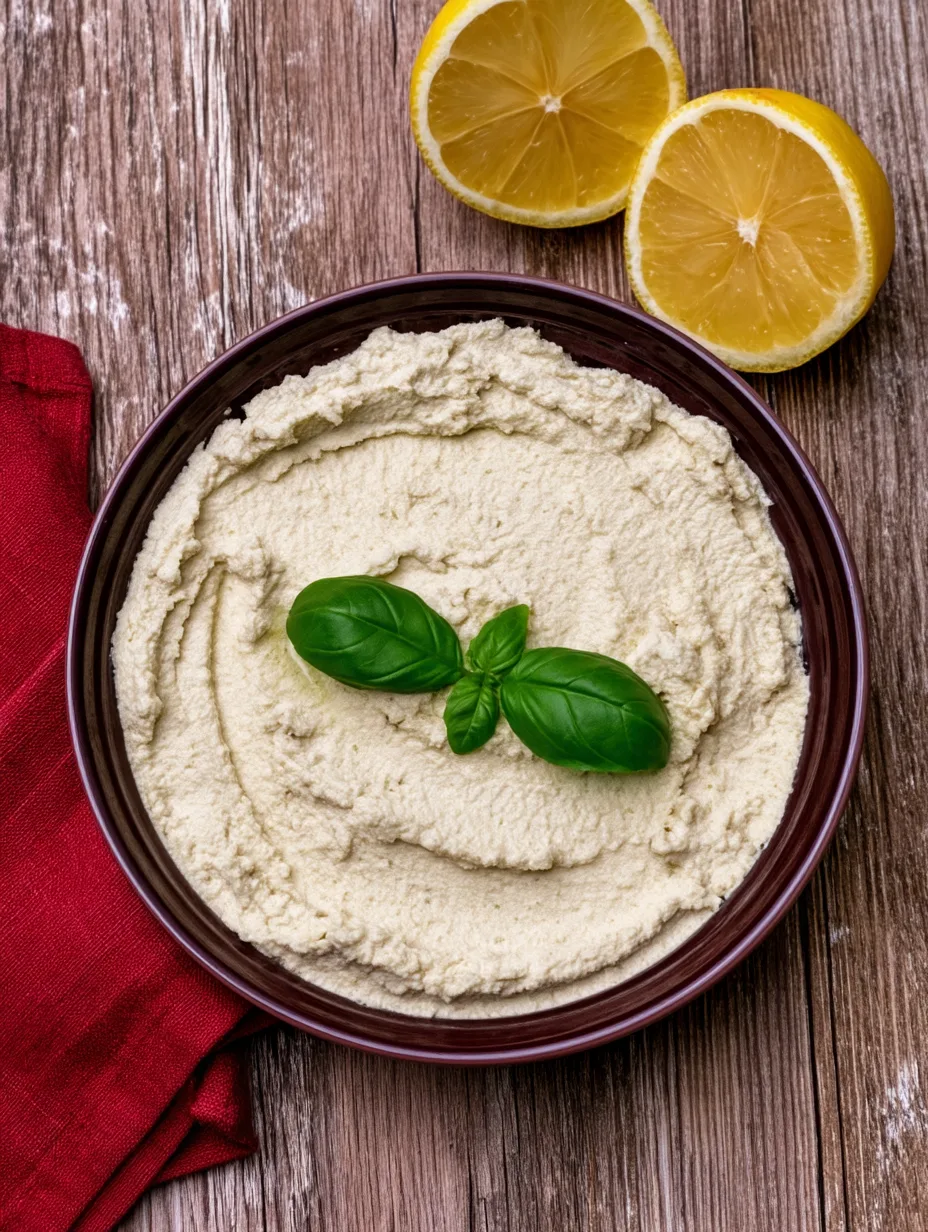
Creamy, tangy, and wonderfully fluffy, Vegan Ricotta Cheese (Tofu Ricotta) brings all the comforting texture of traditional ricotta to your favorite plant-based meals without dairy. Made with simple ingredients, this easy tofu ricotta delivers a mild, cheesy flavor with a hint of lemon and savory garlic. It takes just minutes to prepare, requires no cooking, and works beautifully in lasagna, stuffed shells, pasta, sandwiches, and more. Whether you follow a vegan lifestyle or simply want a dairy-free alternative, this recipe makes homemade plant-based cheese effortless. You’ll learn how to make it creamy, flavorful, and perfectly textured every time.
Why You’ll Love This Recipe
There are plenty of reasons to keep Vegan Ricotta Cheese (Tofu Ricotta) in your regular meal rotation. First, it comes together quickly with everyday ingredients, making it perfect when you need a flavorful addition to dinner without spending hours in the kitchen.
The texture is another highlight. A few quick pulses transform firm tofu into soft, tender curds that resemble traditional ricotta. You can keep the mixture slightly chunky for a rustic, homemade feel or blend it a little longer for a smoother, creamier consistency.
The flavor offers a delicious balance of bright lemon, aromatic garlic, savory nutritional yeast, and fresh herbs. These ingredients give tofu a satisfying cheesy character without overwhelming its naturally mild taste.
This recipe also fits a wide range of meals. Spoon it into pasta shells, spread it over toast, layer it into vegetable lasagna, or dollop it onto roasted vegetables. It’s naturally dairy-free, egg-free, and cholesterol-free, and you can easily adjust the seasonings to suit your preferences.
Best of all, you control every ingredient. No complicated techniques, specialty equipment, or lengthy preparation required.
Ingredients
You only need a handful of ingredients to make delicious homemade tofu ricotta. Each one contributes to the creamy texture or savory flavor.
-
14 oz (400 g) firm tofu: Choose firm or extra-firm tofu for a ricotta-like texture. Drain it well and press away excess moisture.
-
2 tbsp (30 ml) fresh lemon juice: Adds the gentle tang that makes ricotta taste fresh and bright.
-
2 tbsp (30 ml) extra-virgin olive oil: Provides richness and helps create a softer texture.
-
3 tbsp (15 g) nutritional yeast: Delivers a nutty, savory, cheese-like flavor.
-
1 small garlic clove (about 3 g): Adds a subtle aromatic note without overpowering the tofu.
-
1/2 tsp (3 g) fine sea salt: Enhances the other flavors.
-
1/4 tsp (0.5 g) freshly ground black pepper: Adds mild warmth.
-
1 tbsp (4 g) fresh parsley or basil, finely chopped: Brings freshness and color.
-
1–2 tbsp (15–30 ml) unsweetened plant milk, optional: Helps loosen the mixture if you prefer a softer, creamier consistency.
For the best flavor, use fresh lemon juice and good-quality nutritional yeast. Avoid sweetened plant milk because it can introduce an unwanted sweetness.
Pro Tips
A few simple techniques make the difference between watery tofu paste and delicious, fluffy ricotta.
1. Drain the tofu thoroughly. Tofu contains plenty of water, which can dilute the seasonings and leave your ricotta loose. Wrap the block in a clean kitchen towel or paper towels and gently press it for 10–15 minutes. Firm tofu generally works best because it retains enough structure to form small, tender curds. You don’t need a tofu press; a plate with a light weight on top works well.
2. Pulse instead of blending continuously. Traditional ricotta has a soft, grainy texture rather than a completely smooth consistency. Use a food processor and pulse the ingredients in short bursts, scraping down the sides as needed. Stop when the mixture forms small curds. If you prefer a smoother spread, process it slightly longer, but avoid turning it into a completely uniform paste.
3. Taste and adjust before serving. Tofu has a mild flavor, so proper seasoning matters. Start with the recommended salt, lemon juice, and nutritional yeast, then taste the mixture. Add a little more lemon for tanginess, nutritional yeast for savory depth, or olive oil for richness. Let the finished ricotta rest in the refrigerator for 15–30 minutes when possible. This short resting period allows the flavors to blend and creates a more cohesive taste.
Step-by-Step Instructions
Making Vegan Ricotta Cheese (Tofu Ricotta) is straightforward, even if you’ve never prepared homemade dairy-free cheese. Follow these steps for the best results.
Step 1: Drain and prepare the tofu.
Remove the tofu from its packaging and drain the liquid. Wrap the block in a clean towel or paper towels, then press gently for 10–15 minutes. You want to remove excess water without crushing the tofu into crumbs. Break the drained tofu into medium-sized chunks and place them in your food processor.
Step 2: Add the flavorings.
Add the fresh lemon juice, olive oil, nutritional yeast, minced garlic, sea salt, and black pepper. These ingredients create the creamy, savory base. If you’re planning to use the ricotta in a strongly flavored sauce, you can keep the garlic subtle. For a more pronounced cheesy flavor, add a little extra nutritional yeast after tasting.
Step 3: Pulse until crumbly.
Pulse the mixture several times, stopping to scrape down the sides of the bowl. Continue until the tofu resembles small, moist curds. Avoid running the processor continuously because that can produce a dense, overly smooth texture. If you don’t own a food processor, mash everything with a fork or potato masher in a large bowl. This method takes a little longer but creates a lovely rustic consistency.
Step 4: Adjust the consistency.
Check the texture before adding any liquid. If the mixture feels dry or crumbly, add unsweetened plant milk one teaspoon at a time, pulsing briefly after each addition. For a richer finish, add a small drizzle of olive oil. If the ricotta looks watery, don’t add more liquid; instead, mix in a little additional crumbled tofu.
Step 5: Fold in the fresh herbs.
Transfer the mixture to a bowl and stir in the chopped parsley or basil. Folding in the herbs by hand preserves their fresh color and keeps the texture interesting. Taste the ricotta and adjust the salt, pepper, or lemon juice to your liking.
Step 6: Chill and serve.
For the best flavor, cover the bowl and refrigerate the ricotta for 15–30 minutes. This step is optional, so you can use it immediately if dinner is waiting. Spoon your finished tofu ricotta into lasagna, spread it on crusty bread, or toss it with pasta and roasted vegetables. Keep the mixture chilled until you’re ready to serve it.
Variations
One of the best things about this recipe is how easily you can customize it for different dishes and flavor preferences.
Herb and garlic ricotta: Add an extra garlic clove, a tablespoon of chopped basil, and a teaspoon of dried oregano. This savory version works particularly well in stuffed shells, vegetable lasagna, and baked pasta dishes.
Spinach tofu ricotta: Fold in 1/2 cup (75 g) of cooked, finely chopped spinach. Squeeze out as much water as possible before mixing it into the ricotta. The result makes a delicious filling for ravioli, cannelloni, or stuffed pasta shells.
Nut-free and oil-free option: The basic recipe already avoids nuts and dairy. To make it oil-free, omit the olive oil and add a teaspoon or two of unsweetened plant milk only if needed. The texture will be slightly less rich, but the nutritional yeast, lemon, and seasonings still provide plenty of flavor.
For a Mediterranean twist, add finely chopped sun-dried tomatoes, fresh basil, and a pinch of red pepper flakes. Keep additions relatively dry so the ricotta retains its consistency.
Storage and Serving
Store leftover Vegan Ricotta Cheese (Tofu Ricotta) in an airtight container in the refrigerator for up to 4 days. Use a clean spoon whenever you scoop out a portion, and return the container to the fridge promptly. If the mixture releases a little moisture during storage, stir it gently before serving.
You can freeze tofu ricotta for up to 2 months, although freezing may change its texture. The mixture can become slightly grainier or release additional moisture after thawing. For the best results, thaw it overnight in the refrigerator and stir well before using it in cooked dishes. Freezing works better for lasagna and stuffed shells than for fresh spreads.
Here are three easy ways to enjoy your homemade ricotta:
-
Layer it into lasagna: Spread it between pasta sheets with tomato sauce, vegetables, and dairy-free mozzarella.
-
Fill pasta shells: Combine the ricotta with spinach and herbs, then bake the stuffed shells in marinara sauce.
-
Spread it on toast: Add a generous layer to toasted sourdough and top with cherry tomatoes, basil, and black pepper.
You can also spoon it over roasted vegetables, add it to savory crepes, or spread it inside sandwiches for a creamy, plant-based touch.
Frequently Asked Questions
1. Does tofu ricotta taste like real ricotta?
It has a similar mild flavor and soft, slightly grainy texture. Lemon juice adds tanginess, while nutritional yeast contributes savory, cheese-like notes. The flavor isn’t identical to dairy ricotta, but it works beautifully in many of the same recipes.
2. Can I make tofu ricotta without a food processor?
Absolutely. Crumble the drained tofu into a bowl and mash it with a fork or potato masher. Stir in the remaining ingredients until everything combines evenly. You’ll get a slightly more rustic texture without needing any special equipment.
3. Which tofu works best for this recipe?
Firm tofu offers a good balance between moisture and structure. Extra-firm tofu also works, especially if you prefer distinct curds. Silken tofu contains more moisture and produces a much softer consistency, so it’s not the best choice for a traditional ricotta-style filling.
4. Is this recipe suitable for gluten-free diets?
Yes, the basic ingredients are naturally gluten-free. Check the labels on your nutritional yeast and other packaged ingredients to confirm they meet your needs. Serve the ricotta with certified gluten-free pasta, bread, or other suitable foods if necessary.
5. Can I use this ricotta in baked recipes?
Yes! Vegan Ricotta Cheese (Tofu Ricotta) works well in lasagna, manicotti, stuffed shells, savory pastries, and vegetable bakes. Drain the tofu properly before mixing, and avoid adding too much plant milk. A thicker mixture holds its shape better during baking.
This Vegan Ricotta Cheese (Tofu Ricotta) is comfort food at its finest, bringing creamy, tangy, savory goodness to your favorite plant-based meals. It’s the kind of recipe that makes everyday cooking easier while giving lasagna, stuffed shells, toast, and pasta a delicious dairy-free upgrade. With a few simple ingredients and just minutes of preparation, you can create a versatile homemade cheese alternative that fits countless dishes. Customize the herbs, adjust the lemon, and find your favorite consistency. Once you discover how easy it is to make, you’ll want to keep this flavorful tofu ricotta ready for your next meal.
Print
Vegan Ricotta Cheese (Tofu Ricotta)
- Total Time: 45
Description
Creamy, tangy, and incredibly easy to make, this vegan tofu ricotta is the perfect dairy-free upgrade for pasta, lasagna, toast, and your favorite comfort foods. You’ll love how effortlessly it brings homemade cheesy goodness to every meal.
Ingredients
- 14 oz. (400 g) firm tofu, drained and pressed
- 2 tbsp. (30 ml) fresh lemon juice
- 2 tbsp. (30 ml) extra-virgin olive oil
- 3 tbsp. (15 g) nutritional yeast
- 1 small garlic clove, minced
- 1/2 tsp. (3 g) fine sea salt
- 1/4 tsp. (0.5 g) freshly ground black pepper
- 1 tbsp. (4 g) fresh parsley or basil, finely chopped
- 1–2 tbsp. (15–30 ml) unsweetened plant milk, optional
Instructions
- Drain the tofu and press it gently with a clean kitchen towel or paper towels for 10–15 minutes to remove excess moisture.
- Break the tofu into chunks and place them in a food processor.
- Add the lemon juice, olive oil, nutritional yeast, minced garlic, sea salt, and black pepper.
- Pulse several times until the tofu forms soft, crumbly curds. Scrape down the sides as needed.
- Add unsweetened plant milk a little at a time if you prefer a creamier consistency.
- Transfer the mixture to a bowl and gently fold in the chopped parsley or basil.
- Taste and adjust the seasonings with additional lemon juice, salt, or nutritional yeast as desired.
- Refrigerate for 15–30 minutes to allow the flavors to blend, or serve immediately.
- Use your homemade tofu ricotta in lasagna, stuffed shells, pasta, sandwiches, or on toast.
- Store leftovers in an airtight container in the refrigerator for up to 4 days.
- Prep Time: 25
- Cuisine: amircain