
Introduction
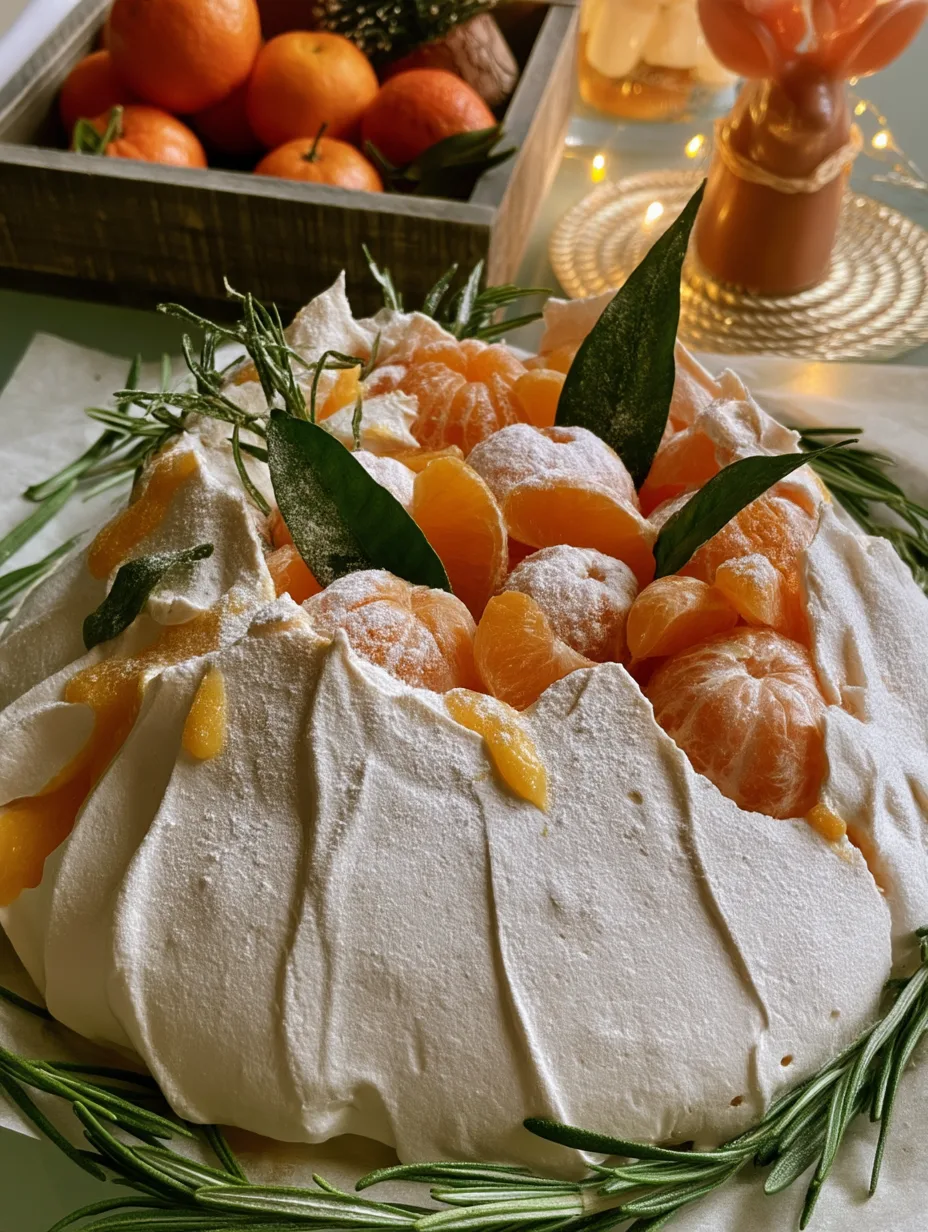
Light, crisp, and delicately sweet, Orange Pomegranate Pavlova is a stunning dessert that brings festive elegance to any table. Imagine a crunchy meringue shell with a soft, marshmallow-like center, topped with fluffy whipped cream, juicy orange segments, and ruby-red pomegranate seeds. Every bite balances sweetness with refreshing citrus and a gentle tartness. This beautiful dessert makes an unforgettable centerpiece for Christmas celebrations, dinner parties, or special family gatherings. You’ll learn… how to create a gorgeous pavlova that looks impressive but feels surprisingly simple to prepare.
Why You’ll Love This Recipe
There are so many reasons to fall in love with Orange Pomegranate Pavlova. First, its combination of textures makes every bite memorable. The outside of the meringue stays wonderfully crisp, while the inside remains soft, airy, and almost marshmallow-like. The creamy topping adds richness without making the dessert feel too heavy.
The fresh fruit brings everything together. Sweet orange segments add a bright citrus flavor, while pomegranate seeds offer little bursts of tart sweetness and beautiful color. Together, they create a refreshing contrast against the delicate meringue.
Another reason to love this dessert is its impressive appearance. The white whipped cream, vibrant oranges, and jewel-like pomegranate seeds create a naturally festive presentation without complicated decorating techniques.
You can also prepare the meringue ahead of time, making this recipe convenient for entertaining. Simply add the cream and fruit shortly before serving.
Whether you’re hosting Christmas dinner, celebrating a birthday, or planning a weekend gathering, this pavlova always feels special.
Ingredients
The secret to a beautiful Orange Pomegranate Pavlova lies in using simple ingredients and preparing them carefully.
-
4 large egg whites (120 g): Use room-temperature egg whites for better volume and a stable meringue.
-
1 cup superfine sugar (200 g): Creates sweetness and helps build a glossy, crisp meringue.
-
1 teaspoon cornstarch (3 g): Helps create a soft, marshmallow-like center.
-
1 teaspoon white vinegar (5 ml): Stabilizes the meringue and supports its delicate texture.
-
1 teaspoon vanilla extract (5 ml): Adds a lovely aromatic flavor.
-
1 cup heavy whipping cream (240 ml): Creates a rich, fluffy topping.
-
2 tablespoons powdered sugar (15 g): Sweetens the whipped cream.
-
2 medium oranges: Peeled and divided into beautiful segments.
-
½ cup pomegranate seeds (85 g): Adds tartness, color, and a juicy crunch.
-
1 teaspoon orange zest: Intensifies the fresh citrus flavor.
-
Fresh mint leaves (optional): Adds a refreshing finishing touch.
Pro Tips for the Perfect Pavlova
Creating a beautiful meringue doesn’t require professional baking experience, but a few important techniques make all the difference.
1. Keep Your Equipment Completely Clean
Before whipping the egg whites, make sure your mixing bowl and beaters are completely clean and dry. Even a small amount of grease can prevent the whites from reaching their full volume. Separate the eggs carefully, making sure no yolk gets into the whites. Glass or stainless-steel bowls work especially well.
2. Add Sugar Slowly
Don’t rush the sugar! Add it one tablespoon at a time while beating the egg whites. This allows the sugar to dissolve properly and creates a thick, glossy mixture. Rub a little meringue between your fingers. If you still feel sugar crystals, continue whisking.
3. Cool the Pavlova Gradually
Sudden temperature changes can cause cracks or make your meringue collapse. Once baking finishes, turn off the oven and leave the pavlova inside with the door slightly open. Let it cool completely before decorating.
One more helpful tip: add the whipped cream and fresh fruit just before serving. This keeps the meringue crisp and prevents moisture from softening its delicate shell.
Step-by-Step Instructions
Follow these simple steps to make a beautiful Orange Pomegranate Pavlova with a crisp exterior and a soft, cloud-like center.
Step 1: Prepare Your Oven and Baking Tray
Preheat your oven to 250°F (120°C). Line a large baking sheet with parchment paper.
Draw an approximately 8-inch (20 cm) circle on the parchment using a pencil, then turn the paper over so the pencil marks don’t touch the meringue.
Make sure your mixing bowl, whisk, and other equipment are completely clean and dry. This small preparation step helps your egg whites whip beautifully.
Step 2: Whip the Egg Whites
Place the room-temperature egg whites in a large mixing bowl. Beat them using an electric mixer on medium speed until soft peaks form.
At this stage, the egg whites should look foamy and hold gentle peaks when you lift the whisk.
Continue beating while gradually adding the superfine sugar, one tablespoon at a time. Increase the mixer speed to medium-high and whisk until the mixture becomes thick, glossy, and forms stiff peaks.
This usually takes around 8–10 minutes, depending on your mixer.
Step 3: Add the Stabilizing Ingredients
Sprinkle the cornstarch over the glossy meringue. Add the white vinegar and vanilla extract.
Gently fold everything together using a spatula. Work carefully because you want to preserve as much air as possible.
Your finished meringue should look smooth, thick, and shiny. It should hold its shape when lifted with a spoon.
Step 4: Shape the Pavlova
Spoon the meringue onto your prepared parchment paper, staying within the circle you drew.
Use a spatula to create a round shape with slightly higher edges and a shallow dip in the center. This little well will hold the whipped cream and fruit later.
Create soft decorative swirls around the edges if you like. They add an elegant homemade appearance without requiring special equipment.
Step 5: Bake the Meringue
Place the baking tray in the preheated oven. Bake for approximately 90 minutes.
Avoid opening the oven frequently because sudden temperature changes can affect the meringue.
The pavlova should develop a dry exterior with a pale, delicate color. It may have a few natural cracks, which are completely normal.
Once baking finishes, switch off the oven and leave the pavlova inside to cool completely, preferably for several hours or overnight.
Step 6: Prepare the Whipped Cream
When the meringue has cooled, prepare the topping.
Pour the cold heavy whipping cream into a chilled mixing bowl. Add the powdered sugar and beat until soft to medium peaks form.
The cream should look fluffy and hold its shape without becoming stiff or grainy.
Gently fold in half of the orange zest for a fresh citrus aroma.
Step 7: Prepare the Fresh Fruit
Peel the oranges and remove any remaining white pith. Separate them into segments, removing seeds if necessary.
Pat the orange segments gently with paper towels to remove excess moisture.
Prepare the pomegranate seeds, removing any remaining white membrane. Set aside a few especially beautiful seeds for the final decoration.
Step 8: Assemble and Decorate
Carefully transfer the cooled meringue to a serving platter.
Spread the whipped cream over the center, allowing some of the decorative edges to remain visible.
Arrange the orange segments over the cream, then scatter the pomegranate seeds generously across the top.
Finish with the remaining orange zest and a few fresh mint leaves if desired.
Step 9: Serve and Enjoy
Serve your Orange Pomegranate Pavlova immediately after decorating for the best contrast between the crisp meringue and creamy topping.
Slice gently using a sharp knife and enjoy the combination of sweet meringue, fluffy cream, and refreshing fruit.
Don’t worry if the pavlova cracks slightly when cutting. Those delicate pieces are part of its homemade charm!
Variations
One of the best things about pavlova is how easily you can customize it with different flavors and seasonal ingredients.
1. Chocolate Orange Pavlova
For a richer dessert, drizzle melted dark chocolate over the whipped cream before adding the fruit. Chocolate pairs beautifully with fresh oranges and creates a delicious contrast with the sweet meringue.
2. Berry and Pomegranate Pavlova
Replace some of the orange segments with fresh raspberries, strawberries, or blueberries. The combination of berries and pomegranate creates a colorful topping with plenty of natural sweetness and tartness.
3. Dairy-Free Pavlova
For a dairy-free version, replace the heavy whipping cream with a suitable plant-based whipping cream. Choose a product designed for whipping so it creates a fluffy topping. Check that your powdered sugar and other ingredients meet your dietary requirements.
You can also experiment with blood oranges when they’re in season for an even more dramatic presentation.
Storage and Serving Suggestions
Pavlova tastes best when you assemble it shortly before serving. The moisture from the whipped cream and fresh fruit gradually softens the crisp meringue, so keeping the components separate helps preserve their textures.
Storing the Undecorated Meringue:
Once completely cool, store the meringue in an airtight container at room temperature in a cool, dry place. It should keep well for approximately 2–3 days, depending on humidity. Avoid refrigerating the plain meringue because moisture can make it sticky.
Storing Leftovers:
If you’ve already decorated the pavlova, cover any leftovers loosely and refrigerate for up to 24 hours. Expect the meringue to soften as it absorbs moisture from the cream and fruit.
Serving Ideas:
-
Christmas Dessert Table: Serve alongside gingerbread cookies, fruitcake, or other festive treats.
-
Elegant Dinner Party: Present the pavlova on a beautiful cake stand as a showstopping dessert.
-
Afternoon Tea: Pair smaller slices with coffee, black tea, or a refreshing citrus drink.
For the prettiest presentation, decorate just before bringing it to the table.
Frequently Asked Questions
1. Why Did My Pavlova Crack?
Small cracks are completely normal. Pavlova can crack because of temperature changes, moisture, or natural movement as it cools. Allowing it to cool slowly inside the oven helps minimize large cracks.
2. Can I Make Pavlova the Day Before?
Absolutely! Bake the meringue the day before and let it cool completely. Store it in an airtight container at room temperature. Prepare the whipped cream and fruit separately, then assemble shortly before serving.
3. How Do I Know When the Meringue Is Ready?
The outside should feel dry and crisp, while the center remains soft. The meringue should also hold its shape and look pale rather than deeply browned.
4. Can I Use Store-Bought Pomegranate Seeds?
Yes! Ready-to-use pomegranate seeds are a convenient option. Just make sure they’re fresh, juicy, and free from excess moisture before decorating.
5. Can I Freeze Pavlova?
You can freeze an undecorated meringue, although its texture may change slightly after thawing. Store it in an airtight, freezer-safe container and thaw carefully at room temperature. Avoid freezing the assembled pavlova because whipped cream and fresh fruit don’t maintain their ideal texture after thawing.
This Orange Pomegranate Pavlova is comfort food at its finest, combining crisp, delicate meringue with clouds of sweet cream and refreshing citrus fruit. Its ruby-red pomegranate seeds and golden orange segments make every slice look like a little celebration. It’s the kind of dessert that brings elegance to Christmas gatherings, impresses dinner guests, and turns ordinary family moments into something memorable. Prepare the meringue ahead, add your beautiful toppings, and enjoy a festive dessert that’s as delightful to look at as it is to eat.
Print
Orange Pomegranate Pavlova
- Total Time: 45
Description
A beautiful dessert deserves a place at your celebration table! This Orange Pomegranate Pavlova combines crisp, airy meringue with fluffy cream, juicy oranges, and sparkling pomegranate seeds for a fresh and festive treat everyone will love.
Ingredients
-
4 large egg whites (120 g), room temperature
-
1 cup superfine sugar (200 g)
-
1 teaspoon cornstarch (3 g)
-
1 teaspoon white vinegar (5 ml)
-
1 teaspoon vanilla extract (5 ml)
-
1 cup heavy whipping cream (240 ml), cold
-
2 tablespoons powdered sugar (15 g)
-
2 medium oranges, peeled and segmented
-
½ cup pomegranate seeds (85 g)
-
1 teaspoon orange zest
-
Fresh mint leaves, optional
Instructions
-
Preheat the oven to 250°F (120°C). Line a baking sheet with parchment paper and draw an 8-inch circle.
-
Beat the egg whites until soft peaks form.
-
Gradually add the superfine sugar while beating until the meringue becomes thick, glossy, and forms stiff peaks.
-
Gently fold in the cornstarch, white vinegar, and vanilla extract.
-
Spoon the meringue onto the prepared baking sheet, shaping it into a round with a shallow center.
-
Bake for approximately 90 minutes until the outside feels dry and crisp.
-
Turn off the oven and let the pavlova cool completely inside with the door slightly open.
-
Beat the cold heavy cream with powdered sugar until soft to medium peaks form.
-
Gently fold half of the orange zest into the whipped cream.
-
Peel and segment the oranges, then pat them dry with paper towels.
-
Transfer the cooled meringue to a serving platter and spread the whipped cream over the center.
-
Arrange the orange segments and pomegranate seeds over the cream.
-
Garnish with the remaining orange zest and fresh mint leaves.
-
Serve immediately and enjoy!
- Prep Time: 25
- Category: Baking
- Cuisine: amircain